What makes an event creative?
Updated: Apr 3
In today’s event landscape audiences are no longer satisfied with the traditional events from the past. Think of static conferences or corporate gatherings. They expect a more immersive experience, meaningful interactions, and memorable moments.
From large-scale brand events to innovative product launches, creativity has become one of the most important ingredients for success in event management. But what makes an event creative?
In this article, we explore exactly that, why creativity matters, and the key elements that turn an event into an unforgettable experience.

What is a creative event?
A creative event is an event designed around experience, engagement, and storytelling. It goes beyond the general logistics or information sharing.
Traditional events often focus on schedules, speakers, and presentations. Creative events take a different approach. They are intentionally designed to immerse attendees in an experience that sparks curiosity, emotion, and participation. Creative events often include elements such as:
Immersive environments
Interactive experiences
Strong storytelling concepts
Innovative event formats
Unexpected moments that surprise attendees
These types of experiences are commonly used for brand launches, experiential marketing campaigns, interactive pop-up events, and engaging business events.
Why creativity matters in modern events
Today’s audiences attend countless conferences, brand activations, and corporate gatherings every year. As a result, it has become increasingly difficult for events to stand out. Creativity helps solve this challenge.
Creative events give organizations the opportunity to transform traditional gatherings into experiences that audiences remember and share. Some of the key benefits include:
Stronger audience engagement
Creative environments encourage attendees to actively participate rather than passively observing. Interactive installations, hands-on demonstrations, and immersive storytelling can significantly increase engagement.
Improved brand perception
Events are powerful brand touchpoints. A well-designed creative event can communicate a company’s identity, values, and vision in a way that traditional marketing often cannot.
Increased social media visibility
Memorable experiences naturally encourage attendees to capture and share moments online. This can amplify the reach of an event far beyond the venue itself.
Greater long-term impact
Creative events leave lasting emotional impressions, which helps audiences remember the brand long after the event ends.
Many organizations are increasingly investing in experiential concepts as part of evolving event trends and business event trends.
The 5 elements that make an event truely creative
While creative events can take many forms, the most successful experiences often share several key ingredients.
1. A strong concept
Every creative event begins with a clear concept.
The concept acts as the central idea that guides every aspect of the event, from visual design to programming and communication. Instead of simply organizing a gathering, the event becomes a carefully designed experience.
For example, a company party could be transformed into a festival-style celebration, while a networking event might incorporate interactive experiences that encourage meaningful connections.
A strong concept ensures that all elements of the event work together to create a cohesive and memorable experience.
2. Storytelling that connects with the audience
The most creative events are built around stories rather than schedules.
Storytelling allows brands to guide attendees through a journey. Instead of simply presenting information, the event unfolds like a narrative with moments of discovery, excitement, and engagement.
This approach is often used during brand launches or product presentations, where the experience gradually reveals the brand’s message.
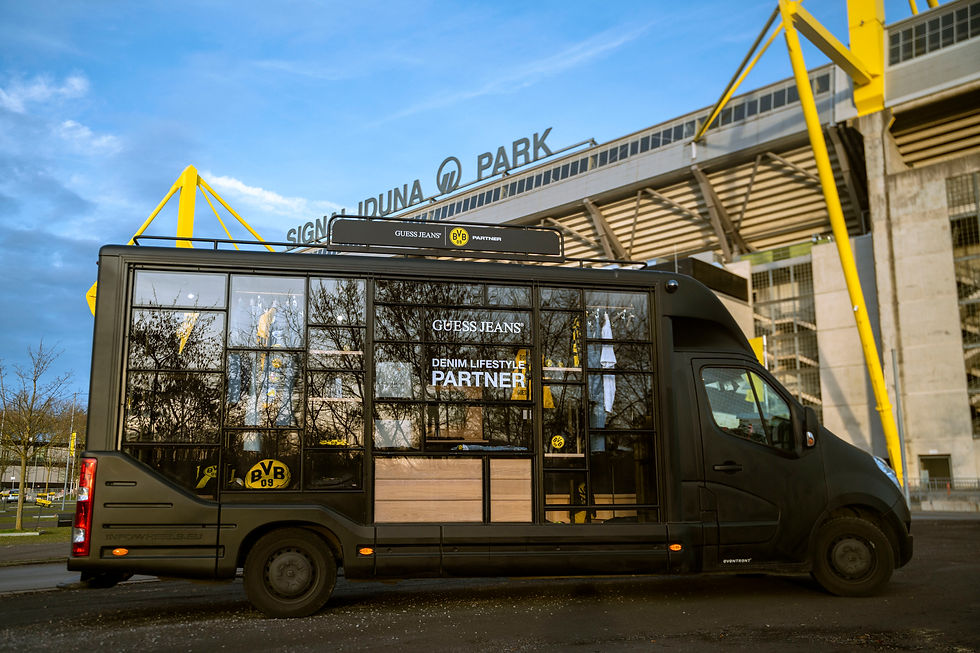
A good example is our GUESS brand launch, where dynamic presentations and immersive brand experiences played a key role in creating the experience.
3. Immersive environments
Creative events often transform spaces into immersive environments that fully capture the audience’s attention. Instead of standard venues, the environment becomes part of the storytelling.
This might include:
Custom-built installations
Creative lighting and stage design
Projection mapping and digital screens
Multisensory experiences involving sound, visuals, or scent
Large-scale productions such as the Red Bull Summer Edition event demonstrate how immersive environments can turn an event into a fully engaging brand experience.
4. Audience participation
One of the defining characteristics of creative events is that attendees become active participants rather than passive observers. Interactive elements can include:
Gamified experiences
Interactive installations
Collaborative activities
Live content creation
Social media integrations
Experiential formats such as pop-up events or brand activations are particularly effective at encouraging this level of engagement.
Participation increases emotional connection and helps audiences feel personally involved in the experience.
5. Unexpected moments
Creative events often include moments that surprise and delight attendees. These unexpected elements can take many forms:
Surprise performances
Dramatic product reveals
Unexpected venue transformations
Interactive technology experiences
For example, high-energy events like Red Bull Homeground or large-scale sport events often incorporate exciting moments that become the highlights attendees remember and share.
Examples of creative events in practice
Creative events can take many different forms depending on the audience and the brand’s objectives.
Immersive product launches: Brands create themed environments that allow guests to explore and experience a new product in an engaging way.
Experiential brand activations: Interactive installations allow audiences to directly engage with a brand and its story.
Destination and experience-based events: Some companies design events around unique locations or experiences, such as the Indonesia trip case.
Festival-style corporate events: Companies increasingly adopt festival-inspired formats to create relaxed, engaging corporate gatherings. Our Eiffel Festival is a great example of how a creative concept can transform an event into a vibrant experience.

How event agencies design creative experiences
Behind every successful creative event is a structured design process. Professional event agencies typically follow several key steps to transform ideas into reality.
Concept development: The process begins by defining the creative concept, theme, and narrative that will shape the event.
Experience design: Event designers map the attendee journey from arrival to departure, ensuring each moment contributes to the overall experience.
Creative production: This stage involves developing visual environments, stage designs, installations, and digital experiences.
Technical execution: Finally, lighting, media, staging, and technology are integrated to bring the concept to life.
Large-scale productions such as corporate summits or automotive brand events often require a close collaboration between creative designers, technical specialists, and production teams.
Final thoughts
Creativity is what transforms events from simple gatherings into memorable experiences.
By combining storytelling, immersive environments, audience interaction, and unexpected moments, brands can create events that leave lasting impressions on their audiences.
Whether it’s a large brand event, an immersive product launch, or a festival-style corporate celebration, creativity is the element that makes the difference.
When these elements come together successfully, an event becomes more than just a moment in time. It becomes an experience that audiences remember long after they leave.
Ready to bring your next event to life with formats that inspire, engage, and deliver real impact? Contact TC Productions today.